← Posts 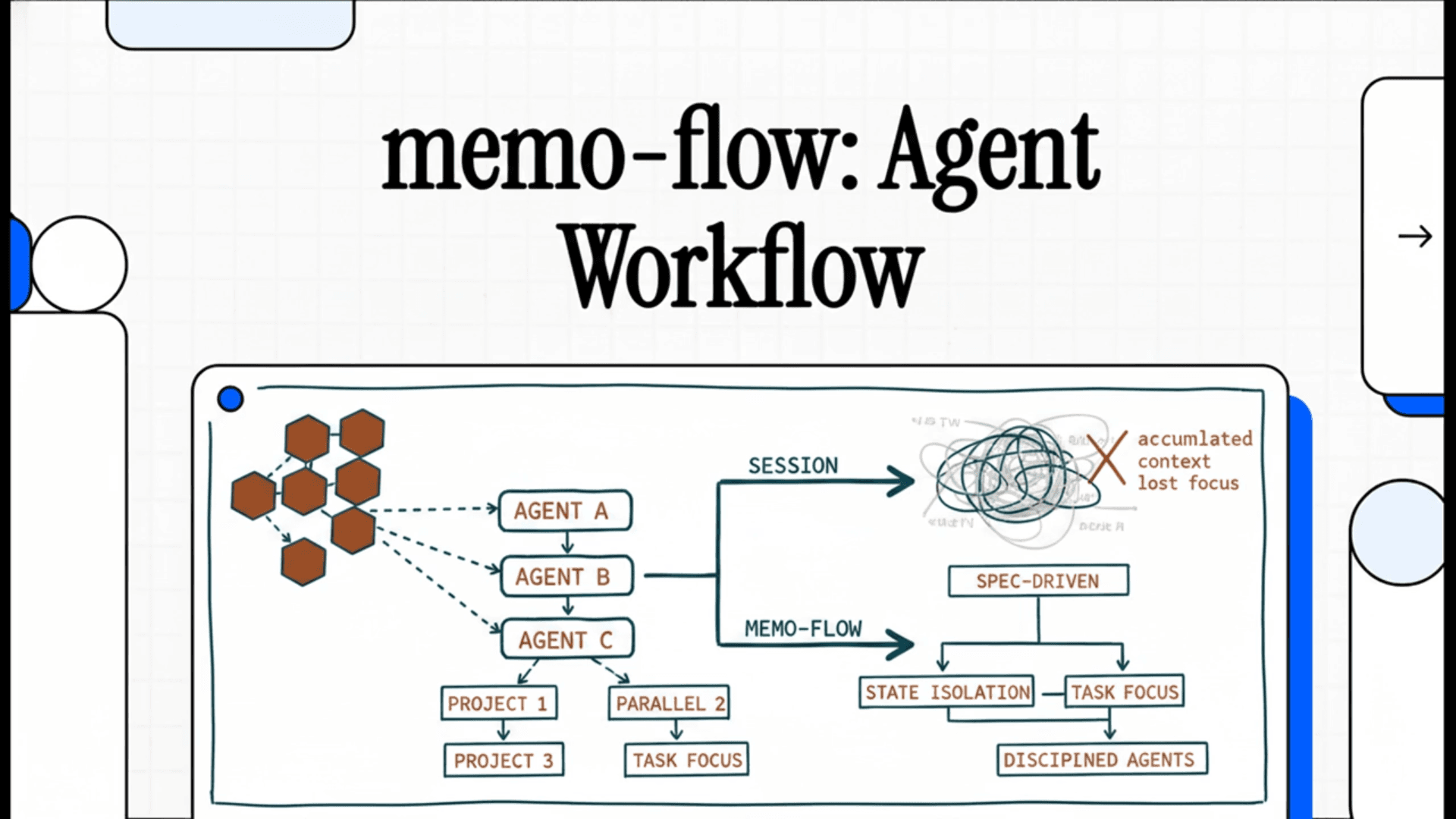
workflow2026-05-14
# The workflow that works for me
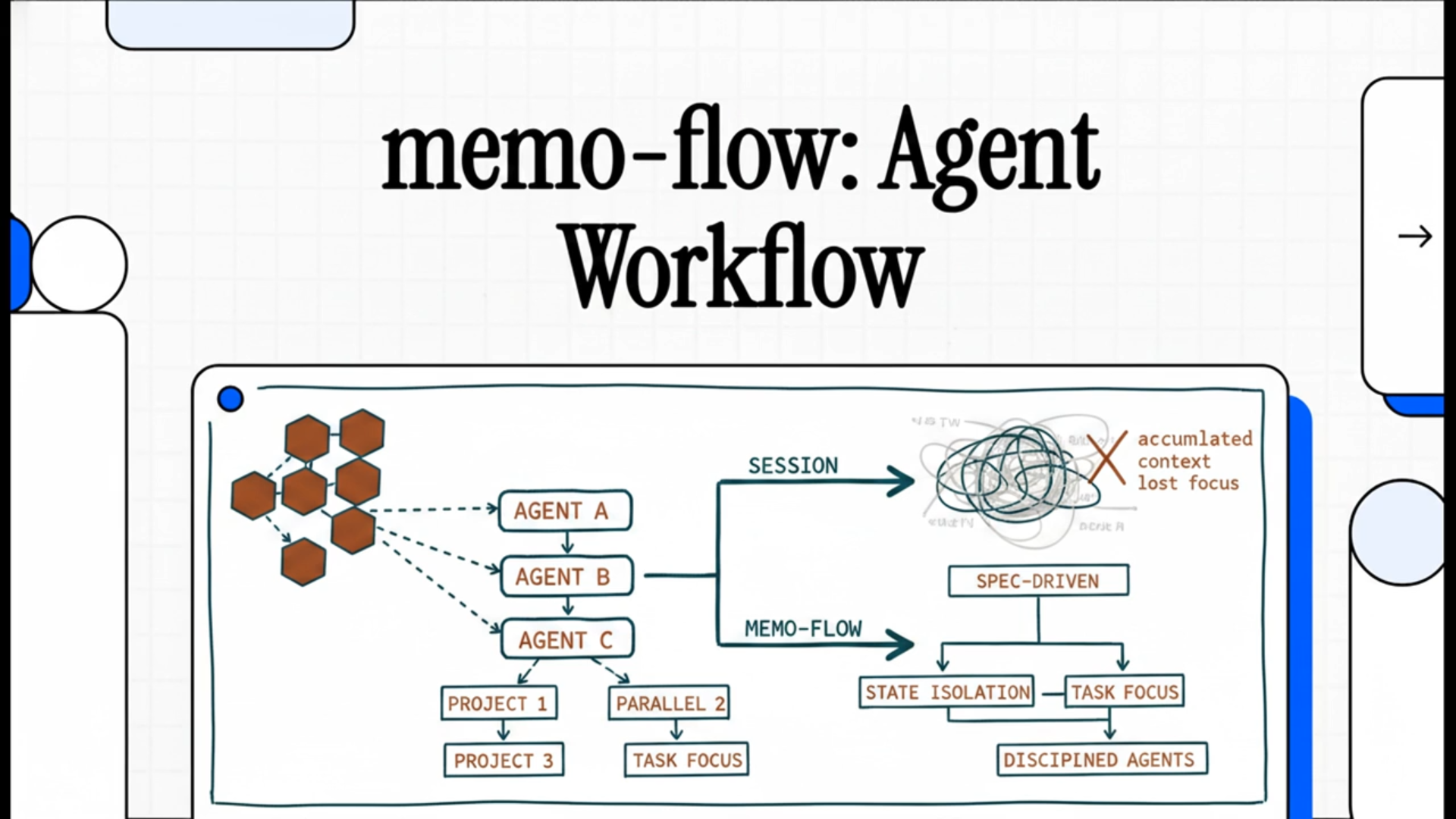
i used to open five agent sessions in parallel and lose half of them. ideas surfaced in chat, got half-discussed, and disappeared. issues lived as "i'll get to it" in my head, or as a TODO buried in some scratch doc. by week three of a project, i couldn't tell you what had shipped versus what i'd only thought about shipping.
and then there was the admin work. watching the context window so the agent didn't degrade mid-session. remembering to write the prd before the code. remembering to slice the work small enough that the agent could ship it. remembering to ask for tests. remembering to review. remembering, remembering, remembering. one missed step and the agent would ship something that compiled and broke a week later.
then i wrote memo-flow.
the loop
now i don't configure a workflow for each repo. i install it. one line:
npx skills@latest add GuillermoMurillo/memo-flow -a claude-codethe admin work is gone. context-monitor watches the token count and tells me when to /handoff. /to-prd and /to-issues make sure the spec exists before any code does. /tdd enforces tests first. /review and /ship gate every merge. each is one slash command. i don't have to remember any of them. the workflow does.
ideas don't get lost. they become issues. issues move through states (needs-triage → needs-info → ready-for-agent → shipped). decisions and specs live in the issue body. git holds the truth of the repository. none of it lives in chat or in my head anymore.
the agent only ships when an issue is fully specified, labeled ready-for-agent. anything that needs judgment stays with me, ready-for-human. the label says which is which.
i like simple. so i built something that handles the admin so i can do the real human work: deciding what to build, what's wrong with it, what's next.
the full writeup, the four questions, the tiers: /work/memo-flow. source: github.com/GuillermoMurillo/memo-flow.